

Do you ever glance past a familiar photo or keepsake in your home, and forget it’s there? In the same way, Canada often blends into the background for many Americans, despite being an incredible international destination waiting to be explored. But look again: it is a vibrant and accessible country, offering awe-inspiring scenery, skiing, wildlife, history, golfing, and unique excursions, among other attractions.
To ignite new client itineraries, don’t miss Wild Alberta: From Bustling Cities to Hidden Gems, presented TODAY at 1:00 pm (ET) by Matthew Demma, Trade Specialist for Travel Alberta.
We love it when travel advisors share their travel knowledge and expertise in planning trips for their clients! This week’s Hot Tip comes from one of your peers and travel expert, Sandra Kelley, CTA, CTC, MBA, a Travel Institute Alumnus and Ambassador.

Did you know that Canada is the second-largest country in the world, touches three oceans, and shares four of the five Great Lakes with the U.S.?
Canada can be categorized as: Northern, which includes the Arctic Circle, tundra, and evergreen forests; Western, which includes the Canadian Rockies mountain range, Pacific Ocean coast, fjords, lakes, and lush forests; Central, which includes four of the five Great Lakes, and cities such as Toronto and Quebec City; and Eastern, which includes the Atlantic Ocean coastline filled with fjords, coves, and bays, and the northern end of the Appalachian Mountains.
Defined by 10 provinces and three territories, it showcases its distinctive stunning scenery, vibrant cities, outdoor activities, and memorable adventures with your client through a variety of experiences. Here are some highlights to consider:
Awe-Inspiring Experiences
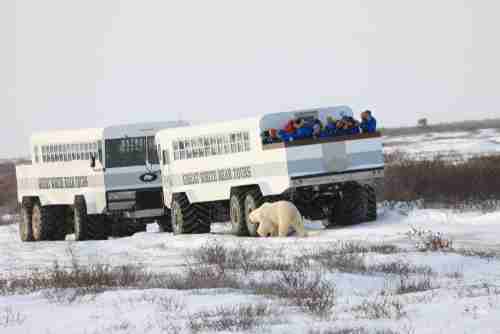
- The annual migration of polar bears in Churchill, Manitoba, where two-thirds of the world’s polar bears live.
- The Aurora Borealis in the northern areas, best viewed in fall and winter.
- Luxury train travel, some with sleeper cars, through Canada’s wilderness and towns, with the Rocky Mountaineerfrom Banff National Park to Vancouver being the most popular.
- The Columbia Ice Fields, the largest ice field in North America.
- Arctic Ocean cruises featuring massive glaciers, wildlife, and native cultures, or a variety of cruise ship itineraries on the Pacific coast, Atlantic coast, or Great Lakes.
- The Calgary Stampede, one of the world’s largest rodeo and western cultural events.
- Horseshoe Falls (Niagara Falls), the most expansive part of the cascading waterfalls.
Adventure
- Outdoor activities, such as hiking, biking, rock climbing, ziplining, kayaking, fishing, whale watching, and whitewater rafting, can be found throughout Canada. Banff National Park is the most visited park, mainly for its hot springs, glacial lakes, wildlife, and stunning mountain views.
Skiing
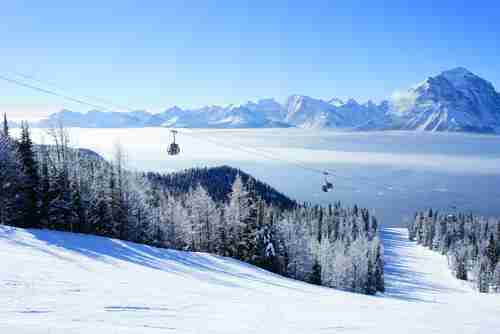
- There are 292 ski resorts in Canada, with the largest located at Whistler-Blackcomb in British Columbia. All 10 provinces have ski resorts.
Golfing
- Canada has over 2,000 golf courses, offering diverse terrains and climates. The highly popular Fairmont Banff Springs offers an 18-hole golf course, world-class dining options, and a 40,000-square foot spa, set amidst the majestic Canadian Rockies.
Historical Sites
- Remnants of a Viking settlement in Newfoundland & Labrador.
- Quaint fishing villages in Nova Scotia.
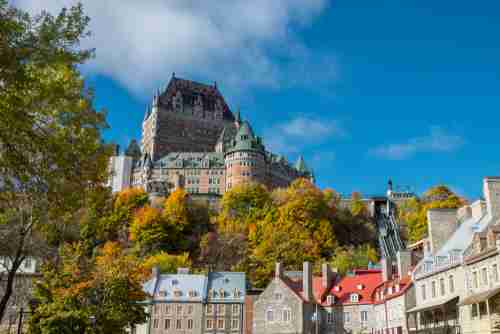
- The French-speaking, walled city of Quebec City.
- The 120-year-old Butchart Gardens on Vancouver Island.
Shopping
- West Edmonton Mall in Alberta boasts 800 stores and includes an indoor waterpark, aquarium, amusement park, ice skating rink, casino, and two hotels.
- Toronto is renowned for Bloor Street, known as “Mink Mile,” and the longest street in the world, Yonge Street, with over 600 stores.

Culinary/Wineries
- Poutine, made of French fries and cheese curds, smothered in gravy, is Canada’s comfort food. Also savor the best of Atlantic lobster, Pacific salmon, butter tarts, Saskatoon berry pie, or maple syrup.
- Wineries in British Columbia, Ontario, Quebec, and Nova Scotia produce distinct wines due to their unique climates.
Additionally, Canada’s proximity and accessibility by air, English as the primary language, and a favorable U.S. dollar exchange rate are all key points in considering this country as a viable international destination. At any time of year, a vacation to Canada can become a new, cherished memory.
Thank you, Sandra, for generously sharing your knowledge with current and future travel professionals!
Don’t miss out on the opportunity to begin your travel career knowledge with the TRIPKIT and be sure to apply for a $150 scholarship.