
When your clients think about traveling to China, what comes to mind first?
The Great Wall. The Forbidden City. The Terracotta Warriors. Shanghai’s skyline. Maybe the pandas in Chengdu.
But there is another experience that deserves a place in the conversation: the food.
For many travelers, Chinese food means the dishes they already know from restaurants at home. But traveling through China can quickly change that perception. China has an incredibly diverse food culture, with flavors, ingredients, and cooking styles that can change significantly from one region to another.
And while discovering those differences can be an experience in itself, food can also offer travelers something deeper: a window into the culture, traditions, and everyday life of the places they visit.
For travel advisors, that creates an opportunity to help clients experience another side of China. But making those recommendations with confidence takes more than knowing the major sights. The more you understand a destination, the more confidently you can help clients discover the details that can turn a trip into something truly memorable.
That’s why continuing education matters. Don’t miss today’s inspiring webinar, Selling China with Confidence. Presented at 1:00 pm (EST) by Steven Kona “Panda” Simao, CTC CIS, Vice President of Sales, Century Cruises, this power session is designed to give you practical insight you can use when talking with clients about China.
A special thank you goes to our educational partner, Century Cruises.

One of the most important things to understand is just how regional Chinese cuisine really is.
China is traditionally known for its Eight Great Cuisines: Sichuan, Cantonese, Shandong, Jiangsu, Zhejiang, Fujian, Hunan, and Anhui. And even that does not capture all of the country’s distinctive regional food traditions. Geography, climate, local ingredients, and history have shaped what people eat throughout different parts of the country.
In Sichuan, clients may encounter chilies and the distinctive numbing sensation of Sichuan peppercorns, along with dishes like mapo tofu and hot pot. Cantonese cuisine often emphasizes fresh ingredients, seafood, and techniques like steaming. Hunan cuisine is also known for heat, while other regions introduce travelers to entirely different flavors and specialties.
Beijing has its famous Peking duck. Xi’an is known for noodles, flatbreads, and lamb dishes influenced by centuries of cultural exchange. Shanghai has its own local dishes and flavors.
The point isn’t for advisors to become experts in every regional cuisine. It’s to recognize that the food experience can change right along with the destination.
The Experience Is in the Sharing
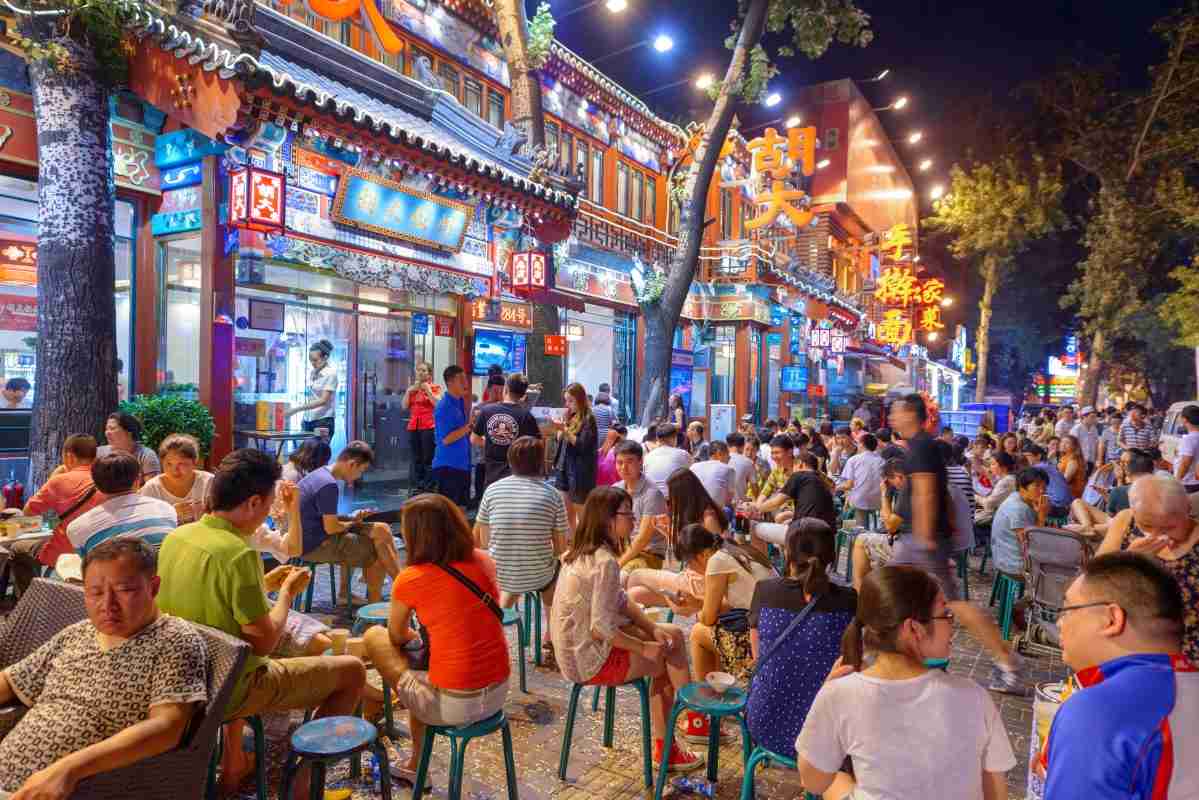
For many North American travelers, one of the first differences they may notice is how the meal itself is served.
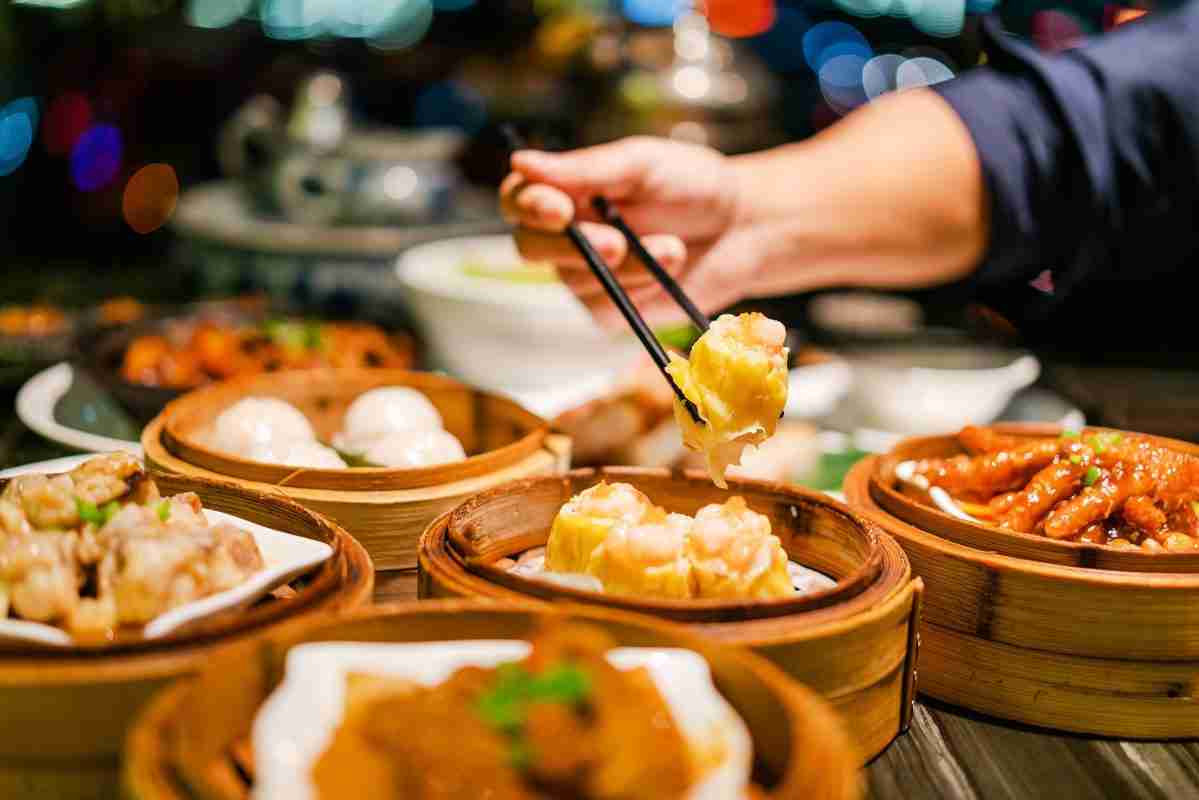
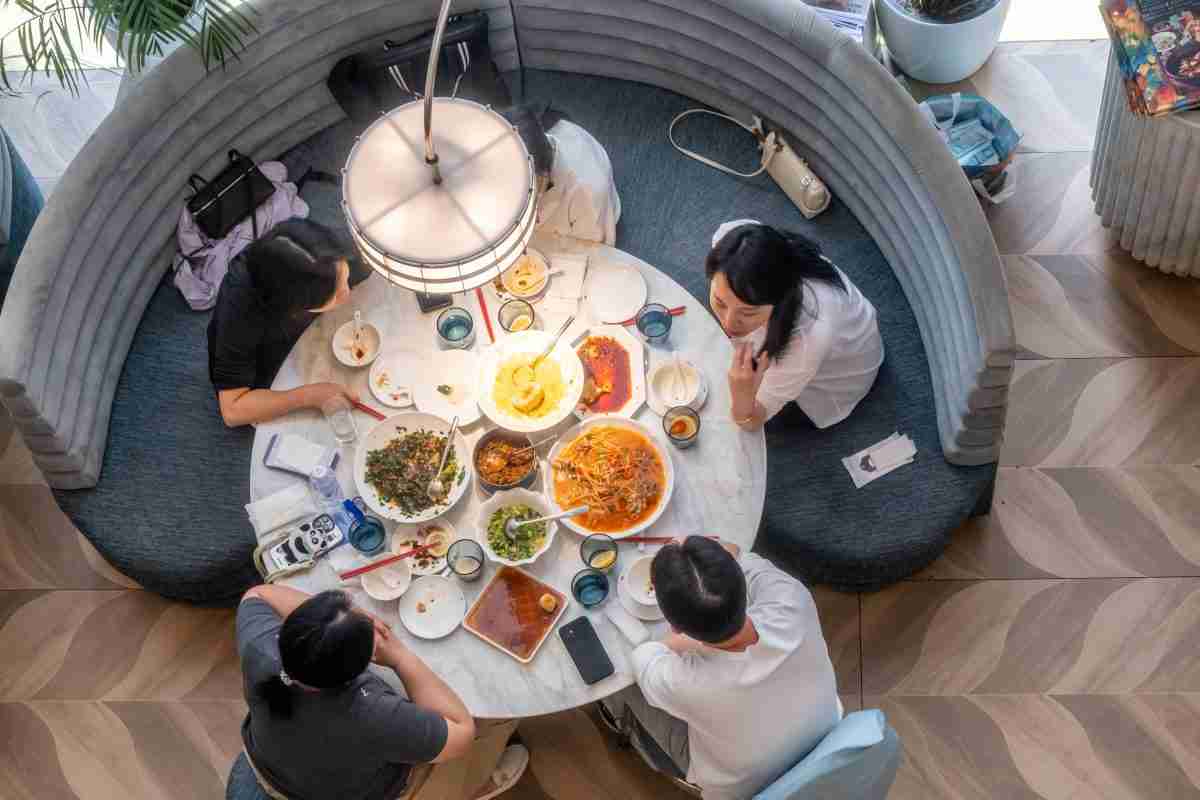
Rather than everyone ordering an individual entrée, several dishes may arrive for the table and be shared. Everyone gets to experience the meal together, often trying a variety of flavors and dishes along the way.
That simple difference can tell travelers something important about dining in China. The meal is not only about feeding the individual. It can be about gathering people around the table and experiencing food together.
Let the Destination Lead the Menu
When building a China itinerary, consider asking a simple question: What should my clients try while they’re here?
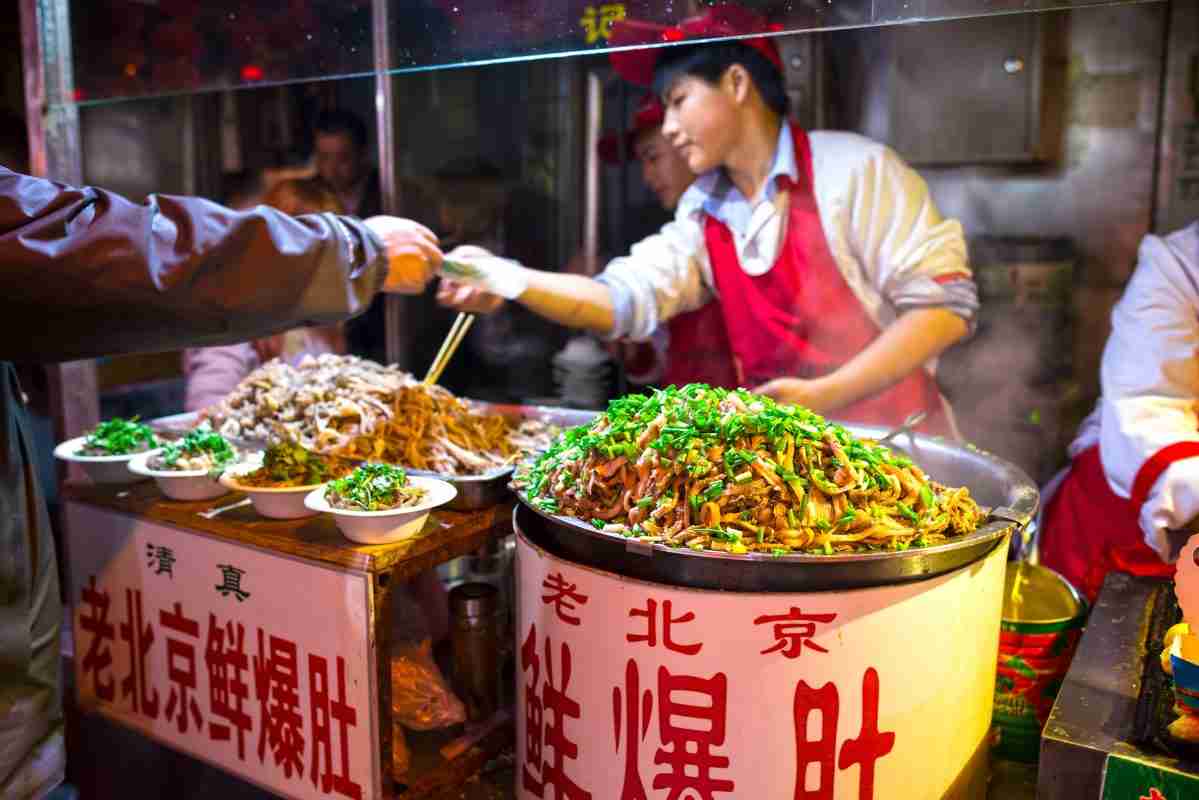
A food tour, market visit, cooking class, local restaurant, or guided tasting can add another layer to an itinerary. Even making clients aware of a destination’s signature dishes before they leave can give them something to look forward to.
And don’t forget about clients who may be less adventurous eaters. Experiencing China’s food doesn’t mean they have to eat something that makes them uncomfortable. With so much culinary diversity, there are plenty of opportunities to explore at their own comfort level. Discovering one or two unexpected favorites may become part of the fun.
Food Can Be a Language of Love
One of the most meaningful things advisors can help clients understand before visiting China is that food can represent far more than a meal.
Sharing a meal can be an important way people welcome guests, strengthen relationships and show they care. Travelers may notice a table filled with more dishes than they expected, food continually being offered, or someone encouraging them to try just one more thing.
What may initially seem like abundance can actually be hospitality in action. Making sure a guest is well fed can be a way of communicating something without saying it directly: We’re happy you’re here, and we want to take care of you.
Understanding that can change the way a client experiences dining in China. Encourage them to notice not only what they are eating, but how the meal is being shared and how people interact around the table.
Food gives travelers a way to experience a culture rather than simply observe it.
Start the Conversation Before They Go
You don’t need to plan an entire trip around food to use it as a selling and planning tool.
Ask clients whether they are adventurous eaters. Find out if there are foods they especially love or want to try. Talk about dietary restrictions and comfort levels. Then look for ways to connect those preferences to the places already on their itinerary.
Most importantly, encourage them to arrive curious.
China’s famous landmarks may be what first inspires clients to book the trip. But the meal shared around a table, the market they wandered through, the hot pot they tried for the first time, or the person who kept offering just one more dish to make the guest feel welcome?
That may be the part of China they remember most.