

A client tells you, “We’re thinking about taking a cruise.”
Sounds simple enough, right?
But before you start searching ships, itineraries, and pricing, there is a much bigger question to answer: What kind of cruise experience is actually right for THIS client?
Cruising has changed tremendously over the years. Travelers can choose from large ships filled with entertainment and activities, intimate luxury vessels, river cruises that put destinations at the center of the experience, expedition cruises to some of the most remote places in the world, and plenty of options in between.
That variety creates an incredible opportunity for travel advisors, but it also makes qualifying the client more important than ever.
It can be tempting to hear “cruise” and immediately start thinking about cruise lines. Maybe you have a favorite brand you book often, a promotion you recently saw, or you sailed on a particular ship yourself and loved it.
But what worked for you or another client may not be right for the people sitting in front of you.
Before recommending anything, find out why and how they want to vacation.
Do they want endless activities or somewhere quiet to relax? Is nightlife important? Are they foodies? Do they want to wake up somewhere new almost every morning? Are the destinations the main attraction, or are they equally excited about everything happening onboard? How do they feel about crowds?
Of course, budget and travel dates matter, but those answers tell you only what your clients can book. Understanding why and how they like to travel helps you determine what they should book.
Once you understand your clients’ vacation goals and combine that insight with your knowledge of the differences among cruise experiences, you can provide something clients can’t easily get from an online search: an explanation of why a particular cruise is the right fit for them.
There is a big difference between saying, “This is a great ship; I think you’ll love it,” and explaining that you chose it because the clients told you they wanted a smaller ship, more destination time, and a quieter onboard atmosphere.
Your clients can search cruise prices, look at photos, watch videos, and read reviews themselves. Your value comes from taking all those choices and narrowing them down based on what you have learned about the travelers.
That requires more than knowing a few cruise lines. It requires understanding the larger cruise landscape and how different experiences fit different clients.
Pro-Tip: What are some common red flags that tell you a cruise may not be the right fit for a client?
One of the biggest clues that a cruise may not be the right fit is when a client talks more about experiencing the destination than enjoying the journey itself. If they say things like, “I want to really get to know Italy,” or “I hate packing my day into a few hours,” it may signal that a land tour or independent vacation would better meet their expectations.
Cruises are wonderful for sampling multiple destinations, but travelers who want to immerse themselves in a city, culture, or region for several days may find port visits too brief.
Likewise, clients who dislike rigid schedules or highly structured travel may struggle with cruise life. Ships operate on strict timelines, requiring guests to return by a set time, and many activities, dining reservations, and excursions are planned in advance.
Travelers who value spontaneity and prefer to wake up each day and decide their plans on the spot may feel more freedom and flexibility with a land-based vacation.
—Patricia Zylka, CTA, Travel Advisor, Visit Mickey Vacations
There is a lot to learn about selling cruises that goes beyond clicking a few links and entering clients’ names and dates of birth. While you need not memorize every ship, cabin category, or itinerary, having a strong foundation can make it much easier to qualify clients and confidently guide them toward the right experience that will be hard for them to find elsewhere. As a client of ours recently said, “You need a PhD to understand how to choose a stateroom!”
That is one reason The Travel Institute is introducing the ALL NEW Cruise Travel Specialist Course.
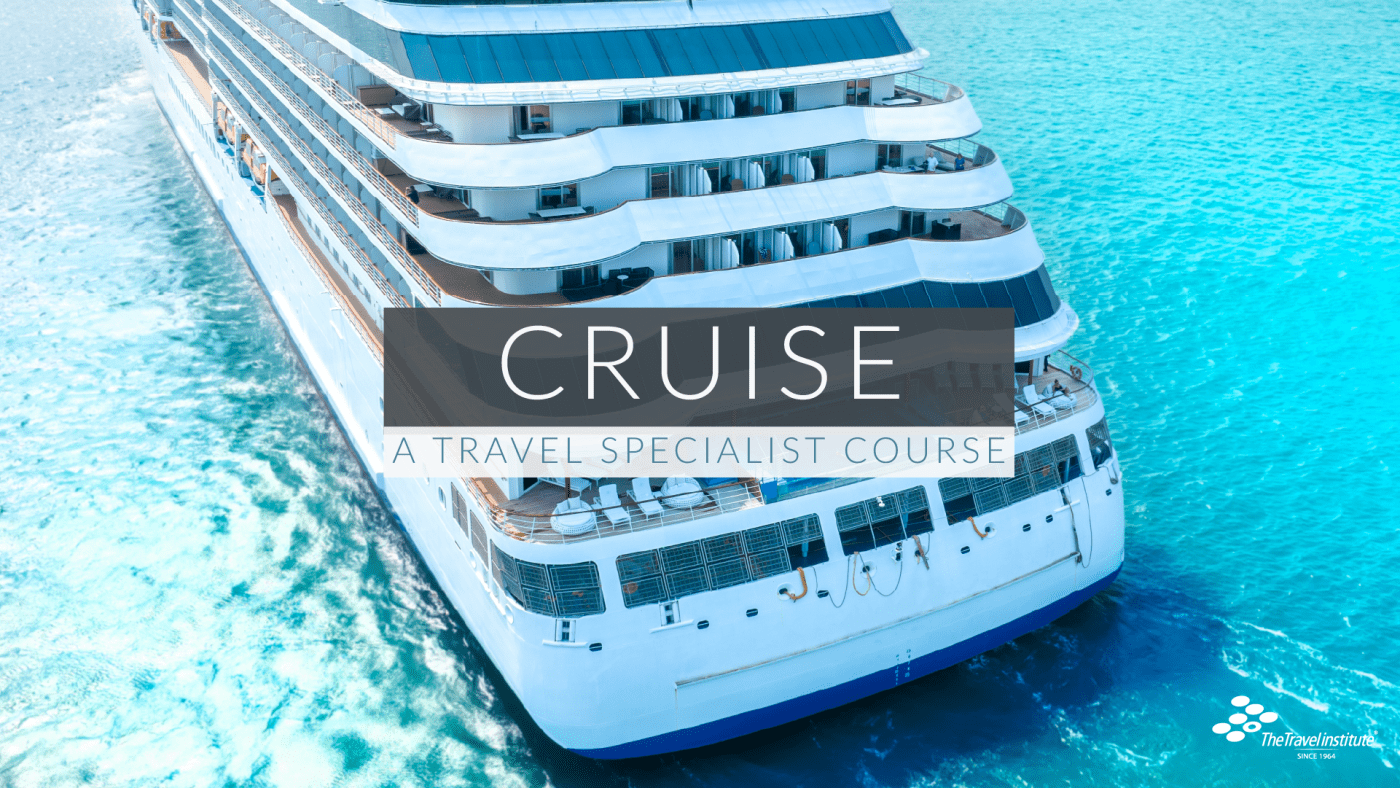
This course is designed to help advisors build a broader foundation in cruise travel and better understand the different cruise experiences, destinations, itineraries, and considerations to help match the right client with the right options.
It also is designed to complement the extensive cruise education and certification opportunities already available through organizations like CLIA, giving advisors another resource for continuing to build their expertise.
Ultimately, your job is not simply to find your clients a cruise. It is to help them find their cruise.
So the next time your clients say they want to take a cruise, resist the urge to immediately start searching ships and sailings. Spend a little more time talking about how they like to vacation first. The better you understand the traveler, the easier it becomes to recommend a cruise experience that truly fits.
And that is where your knowledge becomes one of the most valuable things you can offer.