

TRIPKIT Product Image

Travel Introductory Program: TRIPKIT 6th Edition

Start your path toward becoming a travel advisor with a comprehensive introductory program built for new and aspiring professionals.

From: $499.00

Image Product Quantity

TRIPKIT 6th Edition: Print Add-on

Along with online access, a print version can be added to accommodate preferred learning styles.

1
TRIPKIT

Is TRIPKIT Right for You?

TRIPKIT℠ is designed for people who are ready to take the next step toward a career in travel. This program may be a good fit if you:

  • Are new to the travel industry

  • Are changing careers or returning to the workforce

  • Want structured, self-paced learning

  • Plan to work for an agency or as an independent contractor

  • Want to understand how the travel industry works before selling travel

  • No prior travel industry experience is required.

We call it the 'TRIPKIT'

A Clear, Supportive Way to Begin

Starting a new career can feel overwhelming. The gold-award-winning TRIPKIT is designed to break the learning process into manageable steps. This program is one of the most recognized beginner programs in the travel industry. It gives you the confidence and skills to start working immediately, whether you plan to join an agency or launch a home-based business.


Manageable Design


Trusted in the Travel Industry

Self-Paced and Flexible

Easy-to-Follow Curriculum

Job-Ready Skills

TAP® Test Included

Graduates may choose to join our HIRE ME List, a resource used by agencies seeking trained new advisors.

Frequent Asked Questions

Q: How long does TRIPKIT take to complete?
A: 12 months access; most students spend 40–60 hours.

Q: Does TRIPKIT give a certification?
A: Includes preparation for the TAP® Test, with a recognized certificate of completion.

Q: Is this program required to become a travel agent?
A: No, but it provides the foundational knowledge essential for a successful travel agent career.

What’s Inside TRIPKIT 6th Edition:

Every component of TRIPKIT has been upgraded, expanded, or rebuilt to support today’s modern travel industry and help you move forward with confidence.

TCD Cover - Square product image

Travel Career Development

This course introduces the travel industry, the role of the travel advisor, major travel products, client service, sales, marketing, technology, and career pathways. It helps new advisors understand how the travel business works before they begin selling or servicing clients.

Includes 17 chapters covering travel industry fundamentals, geography, air travel, accommodations, cruises, rail, tour packages, sales, technology, marketing, money matters, and career planning.
Product Image - Exploring the World - 5th Edition - Print Format

Exploring the World

This course builds foundational destination geography knowledge for new travel professionals. It helps students understand regions, countries, cultures, climates, attractions, and travel patterns so they can design more informed and meaningful itineraries.

Includes 15 chapters covering maps, time zones, North America, the Caribbean, Europe, Africa, the Middle East, Asia, the Pacific, and other major global travel regions.
TRIPKIT Study plan graphic with woman holding paper looking at computer.

Interactive Study Plan

A Enhanced Guided Roadmap! Stay engaged and focused with your learning through videos, quizzes, progress check-ins, and curated resources.
TRIPKIT Tracks. Graphic Words over map with wooden map marker laying on top.

TRIPKIT Tracks

New! Structured student engagement. These checkpoints that keep you accountable, motivated, and supported through completion.
Graphic words: TRIPKIT Insider Insights over a photo of a man in glasses with arms crossed looking left in a boardroom.

Insider Insights

Hear directly from travel professionals who share their own experiences through real-world stories, challenges, and best practices.
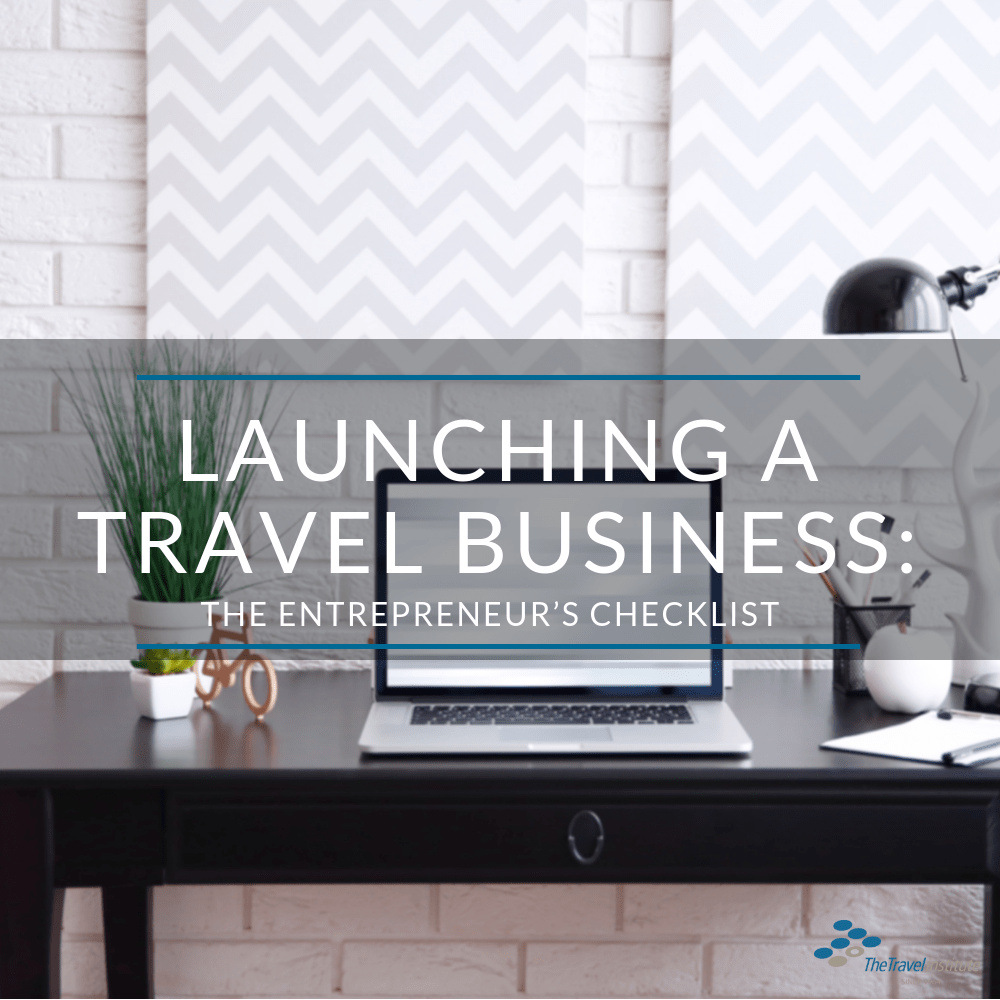
Product Image - Launching a Travel Business: The Entrepreneur’s Checklist

Checklist

The Entrepreneur Checklist is a step-by-step comprehensive guide providing actions take to jump-start your successful journey of launching your travel business.

RETURNS/REFUNDS:

All products purchased from The Travel Institute are NON-REFUNDABLE. This includes memberships/subscriptions; online/downloaded courses and materials; textbooks and reference materials; and/or materials not created by The Travel Institute (3rd-party products). Damaged products will be exchanged for the same title.

Exploring The World Chapters

When you have completed Chapter 1, you should be able to

1. Read a map.

2. Explain the system of time zones.

3. Differentiate between weather and climate.

4. Describe how cultural factors influence tourism.

5. Identify sources of information used in planning trips.

When you have completed Chapter 2, you should be able to

1. Describe the environment and people of the eastern United States.

2. Identify the region’s attractions, matching travelers and destinations suited for each other.

3. Provide or find the information needed to plan a trip to the eastern United States.

When you have completed Chapter 3, you should be able to

1. Describe the environment and people of the Midwest.

2. Identify the region’s attractions, matching travelers and destinations suited for each other.

3. Provide or find the information needed to plan a trip to the area

When you have completed Chapter 4, you should be able to

1. Describe the environment of the western states.

2. Summarize the special physical attractions of Alaska and Hawaii.

3. Match travelers and destinations best suited for each other.

4. Provide or find the information needed to plan a trip to the western states, Alaska, or Hawaii.

When you have completed Chapter 5, you should be able to

1. Describe the environment and people of Canada.

2. Identify Canada’s provinces, territories, and most-visited sites.

3. Match travelers with the Canadian destinations best suited for their trip.

4. Provide or find the information needed to plan a trip to Canada.

When you have completed Chapter 6, you should be able to

1. Describe the environment and people of the islands.

2. Identify and locate the most-visited islands.

3. Match travelers and destinations best suited for each other.

4. Provide or find the information needed to plan a trip to the islands.

When you have completed Chapter 7, you should be able to

1. Describe the environment and people of Middle America.

2. Identify and locate Mexico’s most visited sites, matching travelers and destinations best suited for each other.

3. Recall and locate the most-visited sites in Central America.

4. Provide or find the information needed to plan a trip to Middle America.

When you have completed Chapter 8, you should be able to

1. Describe the environment and people of South America.

2. Identify and locate South America’s countries, dependencies, and most visited sites.

3. Match travelers and destinations best suited for each other.

4. Provide or find the information needed to plan a trip to South America and Antarctica.

When you have completed Chapter 9, you should be able to

1. Describe the environment and people of the United Kingdom and Republic of Ireland.

2. Identify and locate the most-visited sites of the United Kingdom.

3. Describe the attractions of the Republic of Ireland.

4. Provide or find the information needed to plan a trip to the United Kingdom and the Republic of Ireland.

When you have completed Chapter 10, you should be able to

1. Describe the environment and people of northern Europe.

2. Locate each country’s principal gateway and major cities.

3. Describe the key attractions that the region offers visitors.

4. Provide or find the information needed to plan a trip to northern Europe.

When you have completed Chapter 11, you should be able to

1. Describe the environment and people of eastern Europe.

2. Identify eastern Europe’s most-visited attractions

3. Provide or find the information needed to plan a trip to eastern Europe.

When you have completed Chapter 12, you should be able to

1. Describe the geography and people of southern Europe.

2. Identify and locate southern Europe’s most-visited attractions, matching travelers and destinations best suited for each other.

3. Recall areas of special-interest touring.

4. Provide or find the information needed to plan a trip to southern Europe.

When you have completed Chapter 13, you should be able to

1. List the geographic features that make Africa and the Middle East attractive tourist destinations.

2. Describe the appeal of Africa, matching travelers and destinations best suited for each other.

3. Summarize the appeal of the Middle East.

4. Provide or find the information needed to plan a trip to Africa and the Middle East.

When you have completed Chapter 14, you should be able to

1. Describe the environment and people of Asia.

2. Identify the most-visited attractions, matching travelers and destinations best suited for each other.

3. Recall factors limiting tourism to Asia.

4. Provide or find the information needed to plan a trip to Asia.

When you have completed Chapter 15, you should be able to

1. Describe the environment and people of Australia, New Zealand, and Oceania.

2. Identify and locate the region’s main attractions.

3. Match travelers and destinations best suited for each other.

4. Provide or find the information needed to plan a trip to the region.

The TRIPKIT Study Plan

To optimize the learning experience, we have developed a suggested 19-lesson study plan that systematically covers all materials. The study plan includes recommended chapter reading, quizzes, Insider Insight expert videos, and industry resources.

This comprehensive program requires approximately 40-60 hours of self-paced learning to be completed within 12 months. 

Sample Study Plan

Lesson 1:  

TCD Chapter 1: Travel Industry Fundamentals –  Get the big picture of how travel works—and where you fit in.
ETW: Read Welcome to the Travel Industry and the Preface

Insider Insights: The Travel Industry Key Partners–Putting the Pieces Together 


Lesson 2: 
 

TCD Chapter 2: Geography – Build essential location knowledge to better match clients with their dream destinations.
ETW Chapter 1: Destination Geography


Lesson 3:  

TCD Chapter 3: International Geography – Master the details that turn complex trips into smooth, memorable journeys.
ETW Chapter 2: The Eastern United States


Lesson 4:  

TCD Chapter 4: Mastering the Travel Advisor Role. Step into your professional identity with confidence, clarity, and purpose. 

ETW Chapter 3: The Midwest
Insider Insights: A Day in the Life of a Travel Advisor  

TAP Logo and Travel Agent Proficiency test name logo - rectangle

Travel Agent Proficiency TEST

The Travel Agent Proficiency, or TAP, test, is a comprehensive examination specifically designed for individuals seeking a career as a travel agent. It is the only industry-recognized credential for new, entry-level travel professionals.

The TAP test is designed to assess the fundamental knowledge and competencies required to excel in a travel agent role.

  • Travel Regulations: Understanding of travel rules, regulations, and requirements, including visa and passport information and international travel. 
  • Travel Products and Services: Familiarity with different travel products, such as air, accommodations, ground transportation, tours & packages, and cruises. 
  • Customer Service & Sales: Skills in providing exceptional customer service and meeting clients’ needs effectively by understanding the sales process and qualification needs. 
  • Travel Industry Trends: Awareness of current trends and developments in the travel industry.

The TAP test is administered in a closed-book, proctored environment, ensuring a fair and standardized assessment.